A robot model is becoming a small system
Google has released another family of robot models. This one is less about a single clever arm and more about getting several kinds of intelligence to work together.
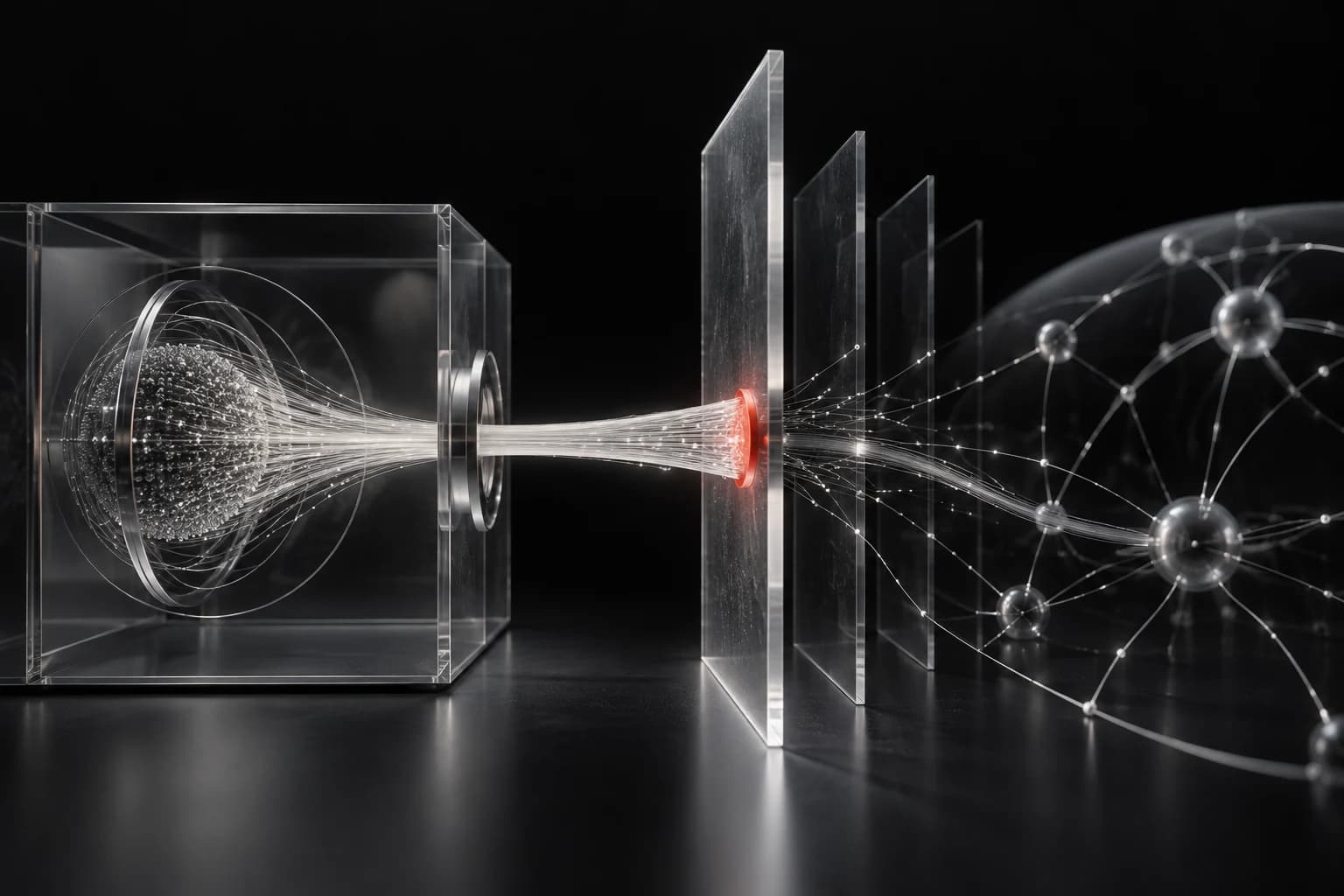
Gemini Robotics 2 is the model that turns vision and language into physical action. Gemini Robotics ER 2 sits above it, watches what is happening and plans longer jobs. A third model, Gemini Robotics On-Device 2, is designed to run locally when a network connection is slow, unreliable or unavailable.
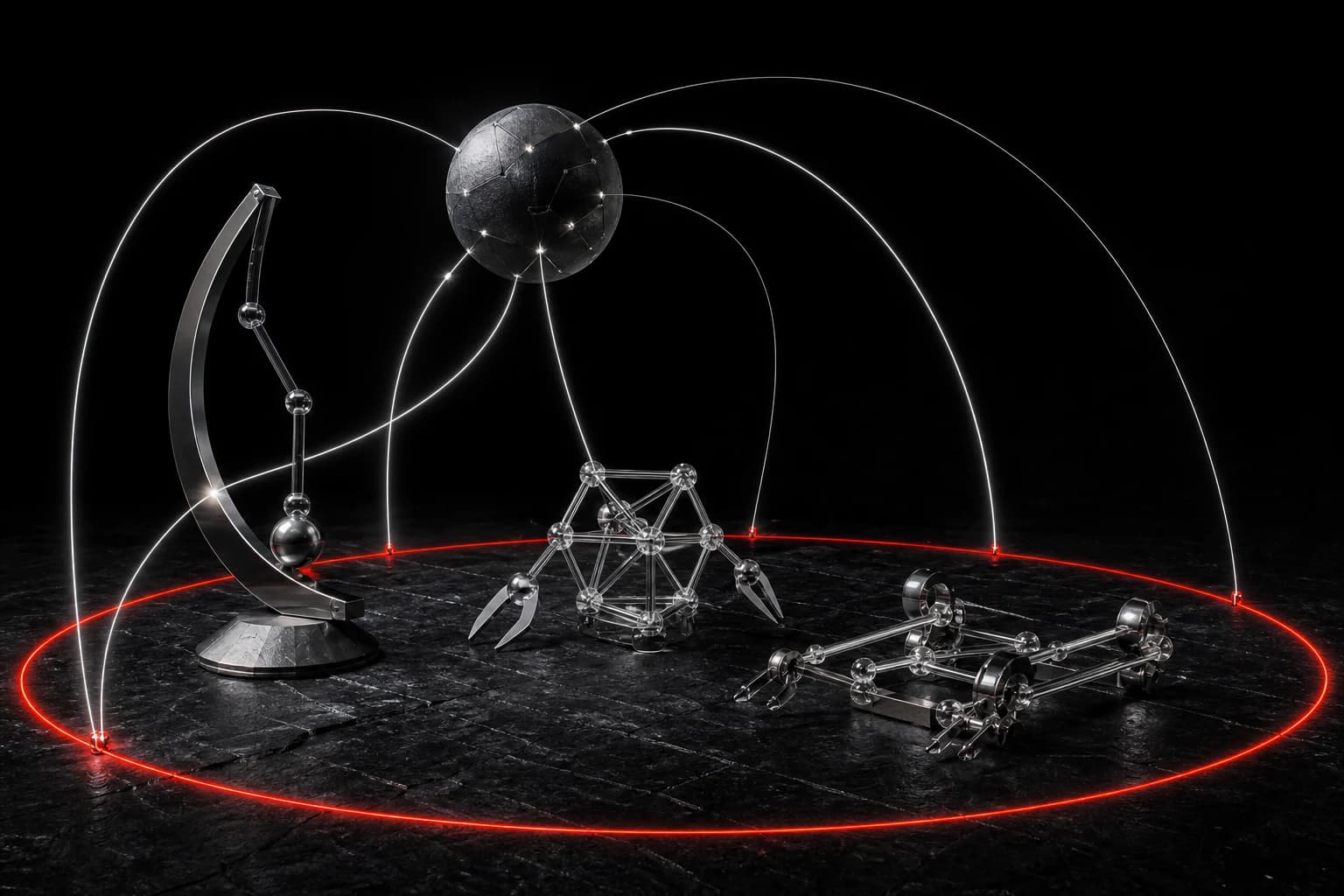
Google says the system can control a full humanoid body, from walking and balancing to using hands. It can also give different robots separate parts of the same job.
That is a meaningful change in scope. A tabletop pick-and-place task has a fairly small world. Cleaning a cluttered space while another machine is moving through it has many more ways to go wrong.
The public model reasons; the action models are restricted
Access is split across the family.
Gemini Robotics ER 2 is available in Google AI Studio and through the Gemini API. It can take text, images, video and audio, then return plans or tool calls. Google lists a context window of up to 128,000 tokens.
The models that directly produce robot actions are not broadly available. Gemini Robotics 2 is in private preview, while the VLA and on-device models are offered to selected early-access partners.
That distinction matters. A developer can try the reasoning layer without being handed a general controller for physical hardware. Google also tells users not to rely on the models for safety-critical work in healthcare, transport or other settings where a failure could cause injury or damage.
Google shows progress, and some stubborn gaps
The launch materials include more useful numbers than a polished demo alone.
On one Apollo 2 setup, Google reports success rates of 68.4% for picking an object from a table, 45.7% from the floor and 76.3% from a shelf. A two-finger Franka setup did better on its tested tasks, including 89.6% for precise insertion.
Five-finger work was much less consistent. The reported success rate was 36% for screwing in a bulb, 44% for tying a rubbish bag and 32% for using a dustpan. Unscrewing a bulb reached 92%.
These are Google-run evaluations on selected hardware and tasks. They have not been independently reproduced, and the percentages should not be read as one general measure of how useful the system will be in a factory or a home.
They do show something less dramatic and more believable: robots can now attempt a wider set of jobs, but dexterity still depends heavily on the exact movement, hand and setup.
The safety report is the more important document
Google also published an 18-page safety report. It tests whether a reasoning agent refuses unsafe instructions, notices a person entering its space, reacts to hardware warnings and asks for help when a task falls outside the action model's abilities.
The results are not a victory lap. In the human-proximity tests, the report found a clear trade-off. Configurations that kept unnecessary stops below 5% missed more than 40% of real hazards. Bringing missed hazards down towards 10% to 15% made the robot stop unnecessarily around 15% to 25% of the time.
No tested model reached the ideal corner: almost no missed hazards and almost no false alarms.
In a separate lab setup, Google reports 99% human detection and 96% reliability in moving its Apollo 2 system to a safe pose. That is encouraging, but it was a controlled company test. The report also says it did not evaluate the certified hardware, redundancy and real-time guarantees needed for a compliant deployment.
Google's conclusion is plain: learned perception should sit beside deterministic, low-level safety guardrails. An emergency stop is still an emergency stop.
What is confirmed, claimed and still open
Confirmed: Google introduced three Gemini Robotics 2 models on 30 July. The reasoning model is available through AI Studio and the Gemini API. The action models remain in private or early access, and Google published model and safety documentation.
Google's claims: the family can control whole humanoid bodies, coordinate several robots, manage longer tasks and adapt the on-device model to unfamiliar robot bodies in a few hours. The performance figures come from Google's own tests.
Still open: independent results, failure rates outside the selected tasks, pricing, the amount of data needed for difficult new hardware and how these systems behave during months of ordinary use rather than a lab evaluation.
The release is still important. Google is moving robot AI from one action at a time towards planning, coordination and physical teamwork.
Its own evidence also keeps the story grounded. The software is doing more. The hard safety layer is not going away.
Sources
- Google DeepMind — Gemini Robotics 2 launchPrimary launch post published 30 July 2026. Source for the three-model design, availability, company-reported task results, multi-robot collaboration and on-device adaptation claims.
- Google DeepMind — Gemini Robotics ER 2 model cardPrimary model documentation used to verify architecture, inputs, context length, distribution, intended use and Google’s warning against safety-critical deployment.
- Google DeepMind — Gemini Robotics 2 safety evaluationsPrimary 18-page technical report dated 29 July 2026. Source for the proximity-detection trade-off, controlled lab results, evaluation scope and recommendation to retain deterministic safety guardrails.