
OpenAI reports AI-assisted influence campaigns using false identities
The company's October 8 report describes deceptive journalist bylines and a research front. Getting published is evidence of reach, not proof that readers were persuaded.
Model Current
How AI changes work, creativity and everyday life.
The company's October 8 report describes deceptive journalist bylines and a research front. Getting published is evidence of reach, not proof that readers were persuaded.

The new view records sign-ins and changes to account protection. It is useful for spotting unfamiliar activity, but it is not the same as ending an active session.

The architecture keeps long-term records encrypted outside confidential hardware and ties access to device-held secrets. An external audit found useful safeguards and unfinished work.

Teachers help shape and review the activities. Google's early work tests whether the simulations function and feel usable, not whether pupils learn more.

The company has expanded its Check. Recheck. Vote. campaign beyond deceptive media to everyday AI answers. The practical test is whether a source is current, supports the claim and applies where the reader votes.

Explainer: Google's agentic video mode can revisit selected moments instead of sampling everything at a fixed rate. That changes the cost of searching long recordings, but a useful timestamp still needs checking.

New agent infrastructure, a government purchasing deal, a large-scale storage account and a genome-prediction atlas all promised to make AI more useful this week. Taken together, they make one quieter point: wider access is moving quickly, while the work of setting limits, checking outputs and proving value remains stubbornly human.

Google has added two small but useful changes to Live Translate. Android can keep a live session running in the background or with the screen locked, while iPhone users can listen through the phone’s earpiece. The update improves how the feature fits into a conversation. It does not make machine translation infallible.

In a randomized trial with 1,053 Bocconi students, ChatGPT access and a short causal-reasoning exercise did different jobs. The result is less about choosing one over the other, and more about what a final-answer grade misses.

OpenAI says accounts that state they are 13 to 17, or that its system estimates are under 18, will receive a separate teen experience with extra protections and parent controls. The hard question is whether those interventions work reliably enough.

Google researchers say an investigational system estimated body-composition measures from photos and improved insulin-resistance classification in a small external cohort. It is not a clinical product or a medical verdict.

Across GDPR and French civil-law questions, 8.3% to 48.3% of answers contained at least one unsupported or contradicted claim. False premises were a particular weak spot.

In a 1,500-person experiment, a prominent AI label changed little. Showing the bot's persuasive instructions cut the average attitude shift roughly in half.

People used chatbots to draft filings and letters. Only 17.3% of 153 posts described an independent check, and community scrutiny depended heavily on where they posted.

The SL2T model turns hand, face and body landmarks into English text in Gboard and Live Transcribe. It is built for low-stakes use, not interpretation.

Nineteen practitioners reviewed risky youth-chatbot exchanges. They wanted less abrupt refusal, more context, and a careful route toward real human help.

A study of 50,116 survey respondents found that country matters, but it is only part of the picture. Education, income, work and religion shaped who sat closer to the models’ answers.

FormBharo is being piloted for maternal-health enrolment in Maharashtra. Its benchmark shows why real speech, rigid checks and full-call testing matter more than a neat model score.

A new study measured one narrow form of AI sycophancy across 17 models. Reversal rates ran from 5% to 56%, but a detector trained on one model did not travel especially well to another.

Simulated lower-income accounts were more likely to see an ad during a short US test. The pattern is worth watching, but the study cannot yet say what caused it.
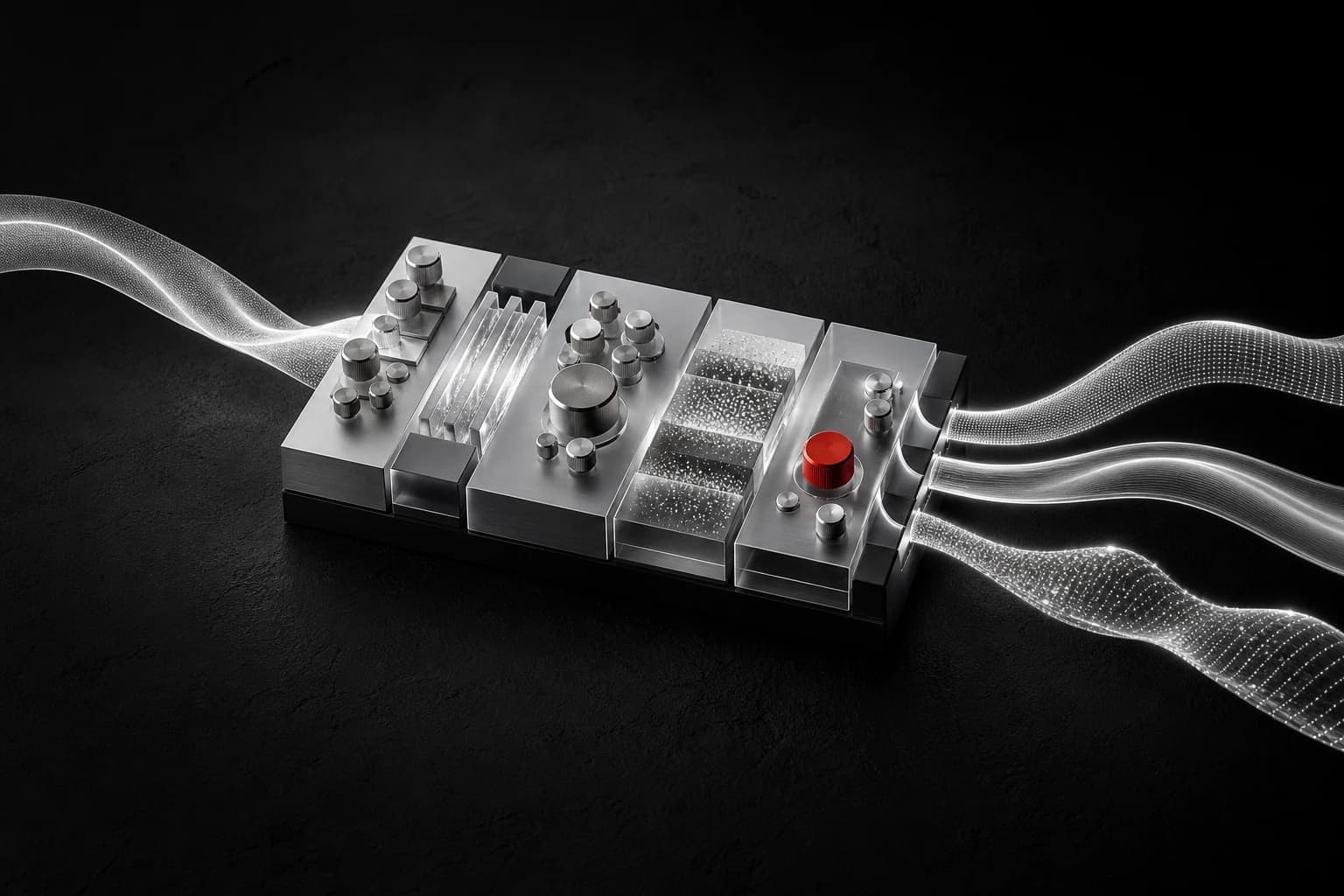
The new music model is rolling out in Flow Music with better lyrics, vocals and control over tempo and duration. Google shows a broader creative product, but offers no public benchmark or new detail on training data.

OpenAI is connecting Apple Health and selected medical records to everyday chats in the US. The permission controls are clear. The harder questions are about interpretation, accuracy and trust.

OpenAI’s new voice system can listen and respond continuously while handing harder work to another model. The breakthrough may be less about sounding human than about managing attention.

Experienced developers do not simply type better prompts. They divide the work differently, steer earlier and know when the machine needs a boundary.