Start with the molecule you want
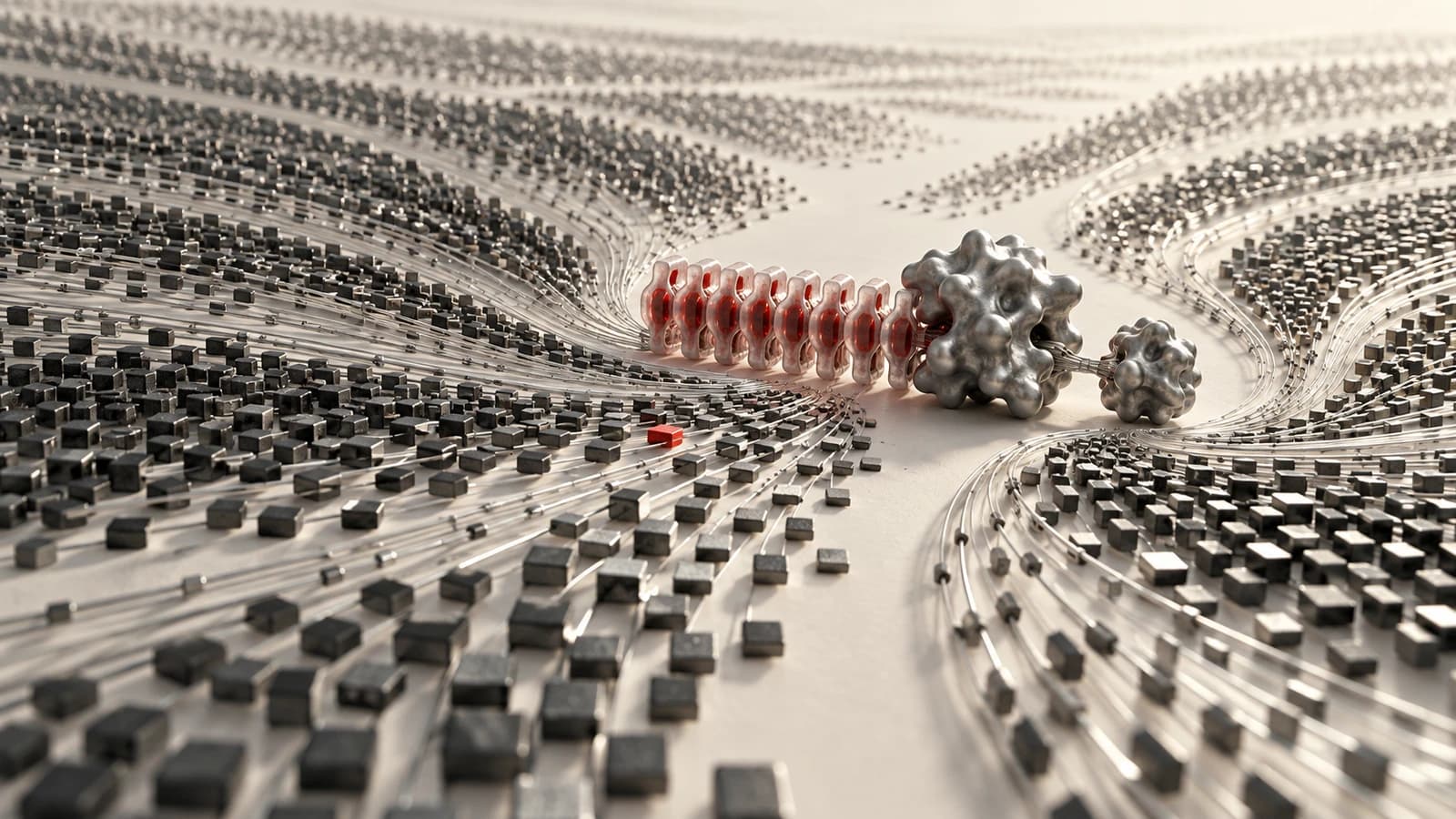
A chemist may know the molecule they want to study and still face a harder problem: how to make it. Retrosynthesis works backward from that target, proposing simpler precursors and the steps that might join them. Each step opens more possible paths. One plausible-looking mistake can make an entire proposed route useless.
A paper published in Nature on September 21 describes RetroChimera, a system developed by Microsoft Research and collaborators to improve those predictions. The underlying research had appeared earlier as a preprint; the timely development here is the peer-reviewed publication and accompanying release of model code and weights.
Two methods with different blind spots
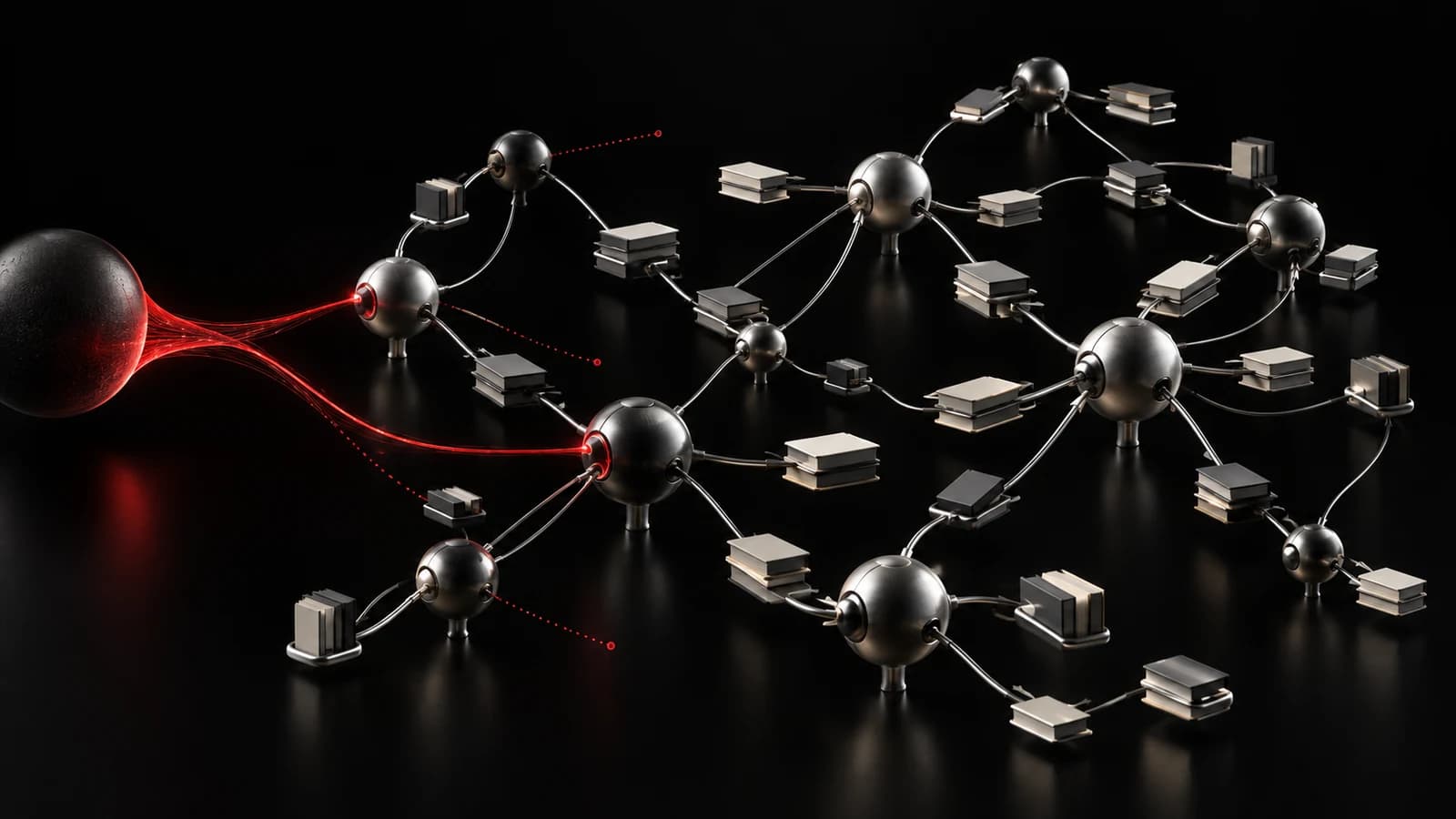
RetroChimera brings together two models. R-SMILES 2 proposes starting materials directly, which gives it room to suggest less familiar reaction patterns but also room to invent a bad answer. NeuralLoc looks for where a learned reaction template fits a molecule. That anchors it to known patterns, though it can miss chemistry absent from its template library.
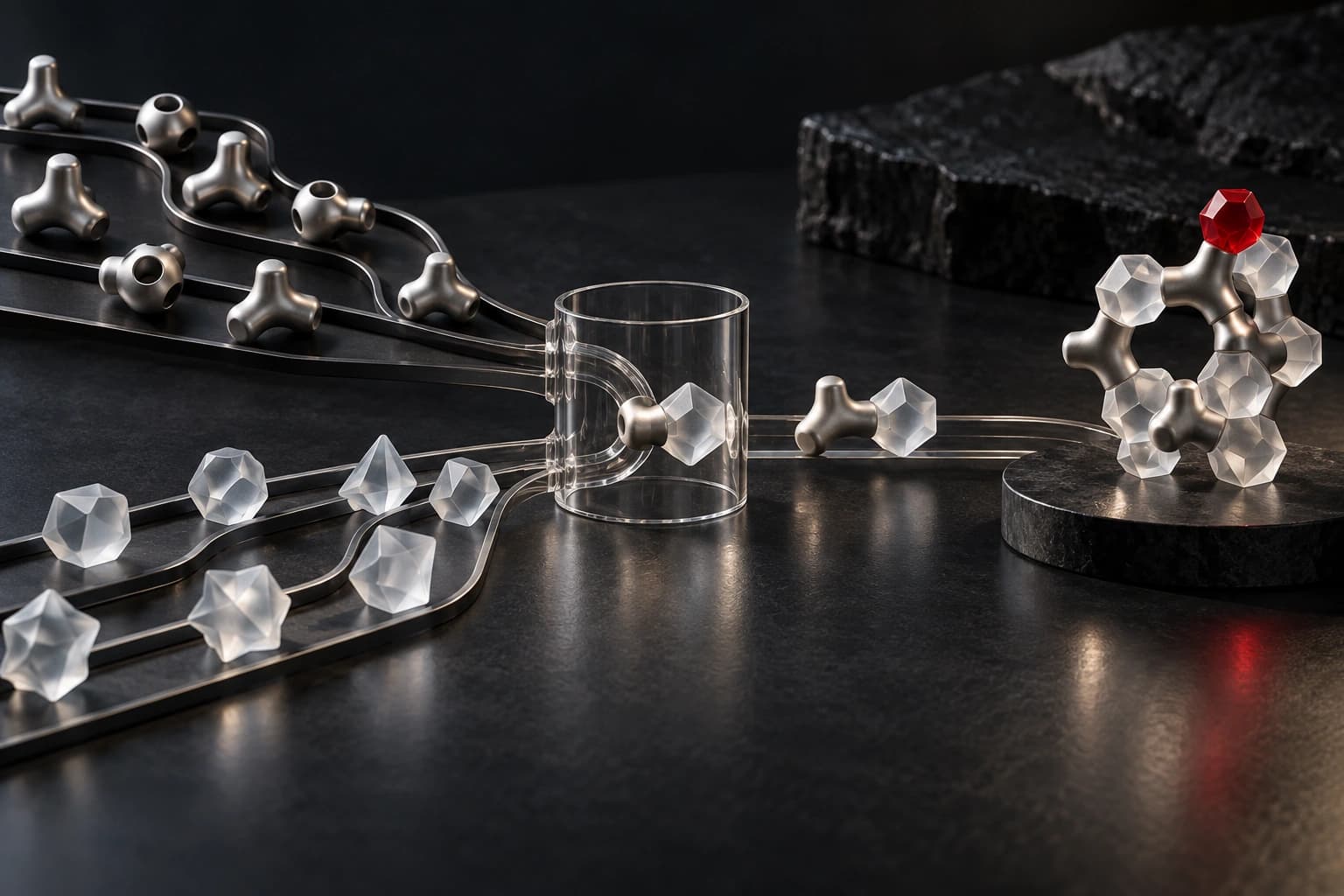
The system does not simply average the two. It learns how to rank their proposed precursor sets and gives extra weight when both agree. The point is to keep the flexible model's reach without trusting every free-form suggestion, while using the template model without being confined to its repertoire.
What the chemists judged
Microsoft Research says industrial chemists preferred RetroChimera's individual reaction suggestions over those from comparison models and even recorded reactions used in the evaluation. In a separate review of complete routes for ten challenging targets, experts accepted nine RetroChimera routes. They accepted fewer routes from the component models and another baseline.
Those figures describe a particular expert assessment, not a success rate for all chemistry. An accepted route is one a reviewer considers reasonable. It does not mean the reactions were all run in a laboratory, that a material was made at scale or that cost and safety constraints have been solved. The paper also reports tests on different datasets and transfer to internal pharmaceutical data, but those results do not erase the need for case-by-case checks.
Useful assistant, not an autonomous chemist
The project's public repository makes the research available to inspect and try. It is unusually direct about the limits: the released model can hallucinate, especially away from the chemistry represented in its training data, and its predictions should be checked independently by chemistry experts before real-world use. Its principal checkpoint was trained on reactions available through 2023.
The useful promise is faster triage of possible routes for a human chemist, not an automatic recipe. A good next test would ask whether independently chosen targets yield feasible, safe and economical reactions when a lab actually tries them. That evidence is different from a prediction benchmark or an expert's favorable first look.
Sources
- Nature: Chemist-aligned retrosynthesis by ensembling diverse inductive bias modelsPrimary peer-reviewed paper published September 21, 2026; publisher page may require institutional access.
- Microsoft Research: Improving synthesis prediction of small molecules at scale with RetroChimeraPrimary researcher explanation of architecture, expert evaluation and release.
- Microsoft: RetroChimera open-source repositoryPrimary model documentation and explicit warnings about hallucinations, training cutoff and expert verification.
- Maziarz and coauthors: RetroChimera preprintPrimary preprint history confirms this research predates the September 2026 journal publication.