More ideas, same number of experiments
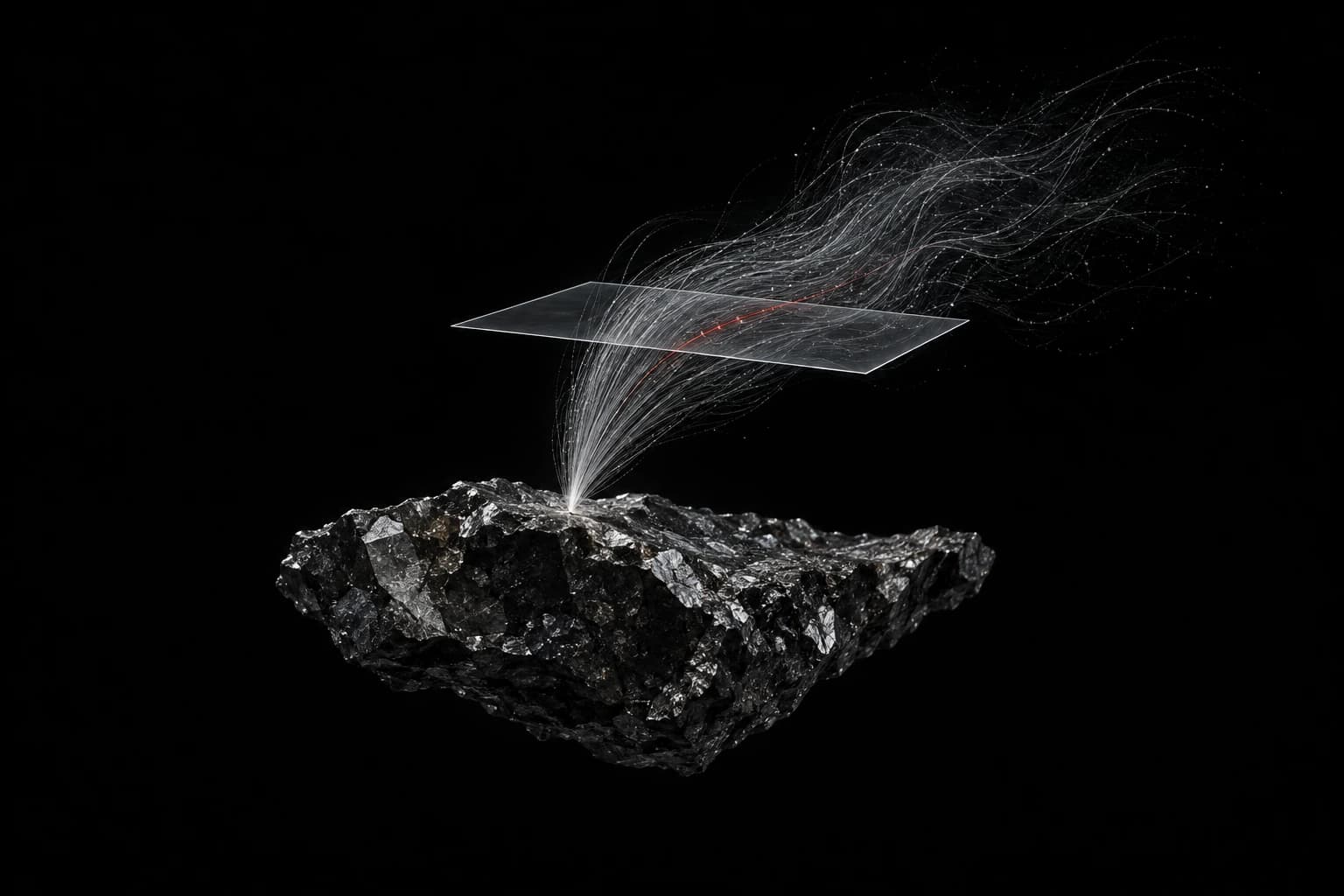
A new study of AI in science has an awkward finding alongside its headline number. Scientists in a US and UK survey said AI saved them almost seven hours a week. Yet 41% also said they had more untested hypotheses waiting, and 44% said the main obstacle to their work had shifted further down the process, toward tasks such as experiments and validation.
That makes the study more useful than a simple productivity claim. Generating a plausible idea or a draft analysis is only one part of research. Someone still has to check the result, run the experiment, interpret the evidence and, often, wait for a physical lab or a clinical process.
What the researchers measured
The September report comes from researchers at Google, Google DeepMind and MIT FutureTech. It brings together three different kinds of evidence: a sample of 15 million Gemini interactions, an inventory of more than 2,600 specialised AI models, and an online survey of 637 active scientists in the US and UK. The Gemini analysis narrowed its sample to about 360,000 interactions classified as scientific work.
The survey, carried out between July 27 and August 11, asked researchers about AI use, time saved and changes to their work. Nearly half reported using some form of AI daily. Around three-quarters reported saving time, with an average just below seven hours a week. These are the participants' estimates, not a stopwatch measurement of output.
The other two data sources help show what tools researchers use. General-purpose language models appeared across writing, coding and analysis tasks. Specialised models were more common for field-specific prediction, generation and simulation. That is a division of labour in the authors' data, not proof that one type of model will always stay in its lane.
The verification bill
Among respondents who said AI saved them time, 46% said more than a quarter of that saving went back into checking, debugging or fact-checking AI output. In other words, faster production can create more review work.
The authors also report that 49% of surveyed scientists felt AI pushed them toward safer, more incremental questions, while 28% said it helped them pursue riskier ones. That is a perception from this sample. It does not establish that science as a whole is becoming less ambitious.
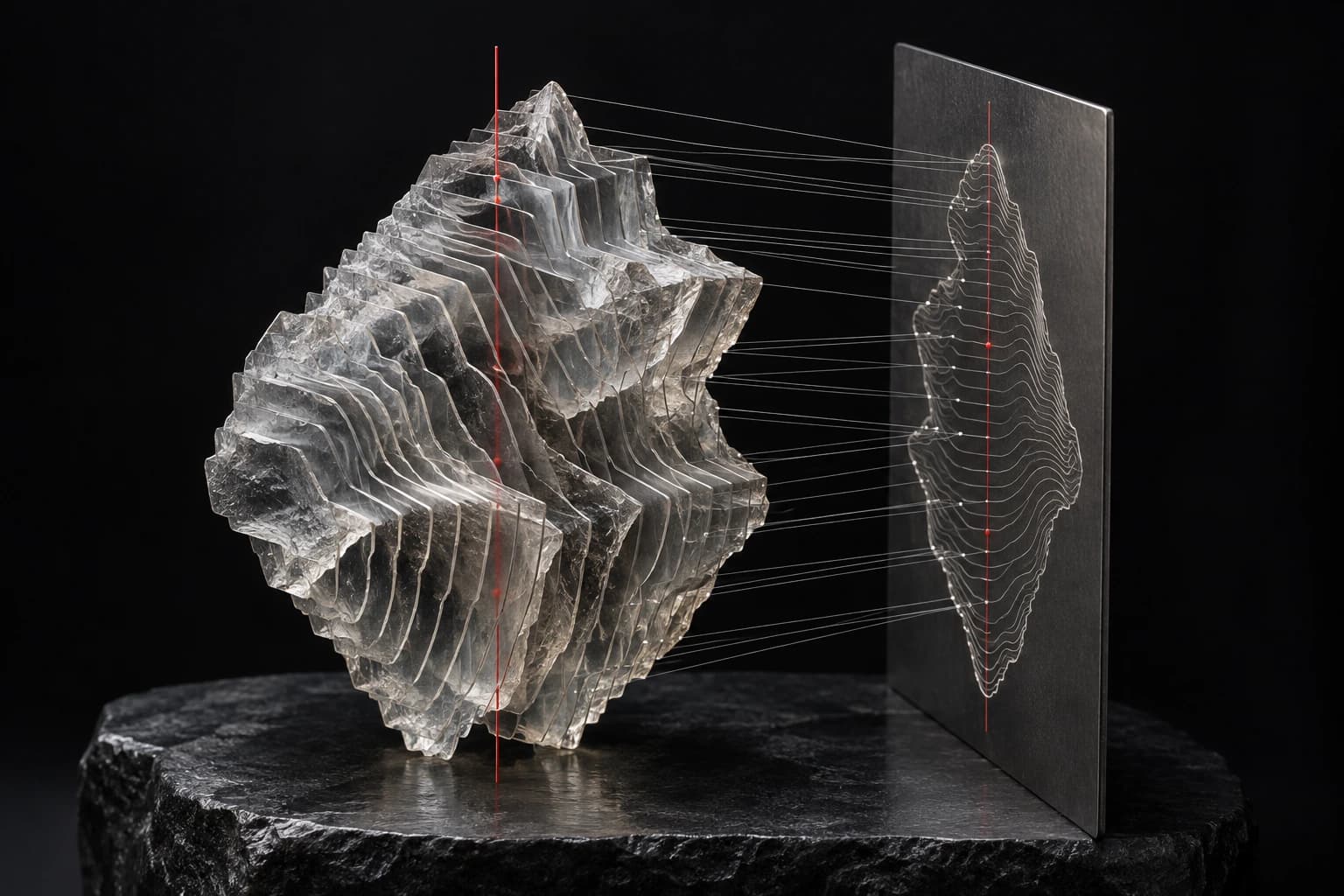
The practical question for a lab is not simply how many ideas a tool can produce. It is whether the lab has the capacity to test the valuable ones and discard the wrong ones. The scarce resource may move from drafting to verification.
What this study cannot settle
The authors are direct about the limits. The scientist survey was not a representative random sample, and people keen on AI may have been more likely to take part. That could inflate both the adoption rate and the estimated time saving. The interaction data comes from Google's own products, excludes enterprise use and cannot identify a researcher's field with certainty from every prompt.
The paper finds associations, not cause and effect. It cannot tell us how many discoveries AI added or whether a different tool would have saved the same time. A later study measuring actual experiments, validated findings and publication quality would answer a harder question. For now, the clearest finding is a tension: work may speed up at the front of the pipeline while the back remains stubbornly human and physical.
Sources
- Google, Google DeepMind and MIT FutureTech: AI in Science: Early InsightsSeptember 2026 primary research report, 42 pages. Survey methodology, sample size, reported time saving, validation backlog, verification work and limitations.
- Google: New insights from Google's AI & Economy ATLASSeptember 15, 2026 announcement linking the study and describing its three data sources. Company framing checked against the report.