Start with a material that changes when it bends
MIT’s October 22 account of X-Hinges describes flexible printed objects that can sense how they move. The research comes from a team including MIT CSAIL and Tianjin University. Its accepted manuscript was posted to arXiv on September 10; this is an explanation of the work, not a claim that a new paper appeared this week.
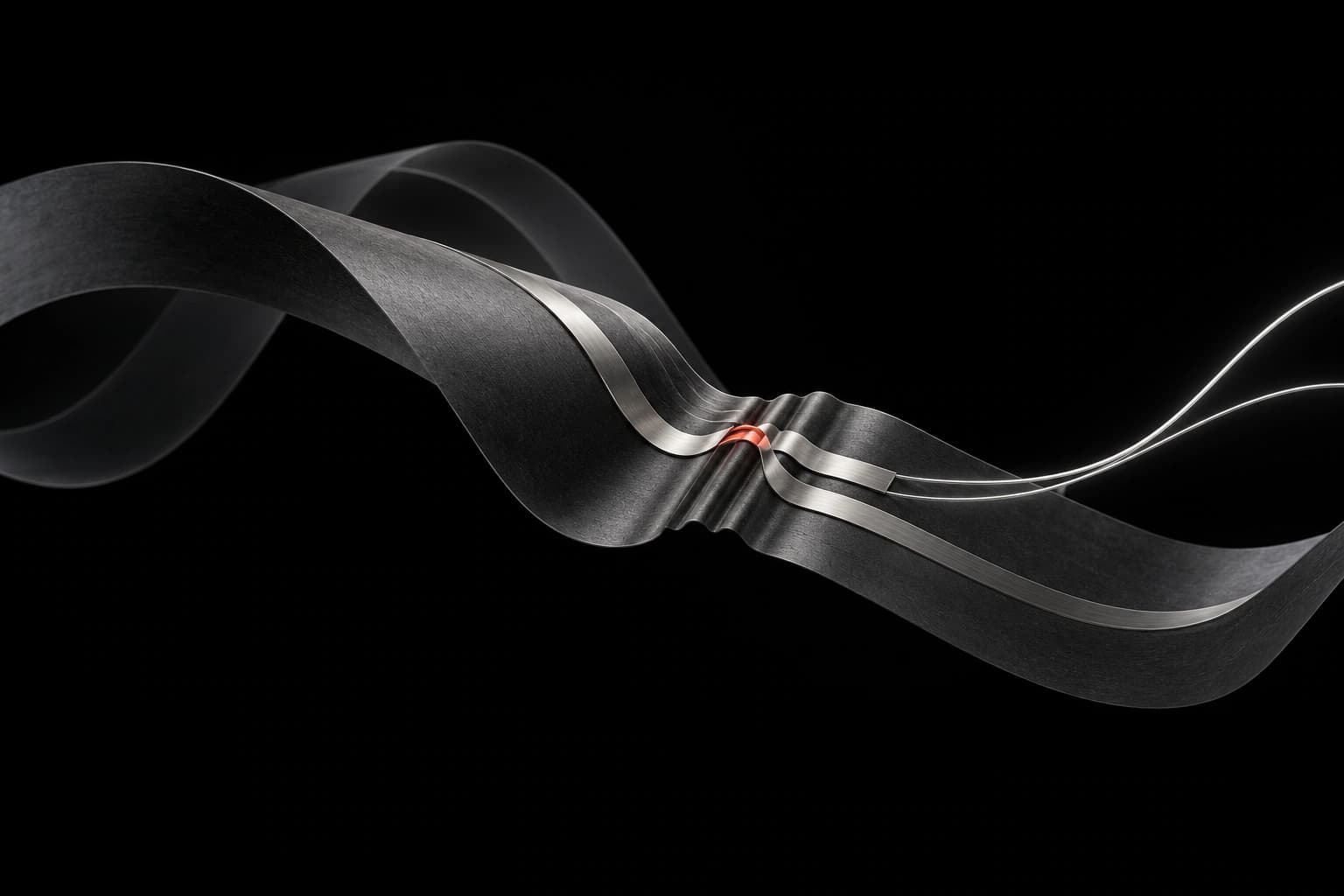
The central idea is to put sensing into the printed structure rather than attach every sensor afterward. The authors combine a flexible nonconductive body with two conductive materials that have different electrical properties.
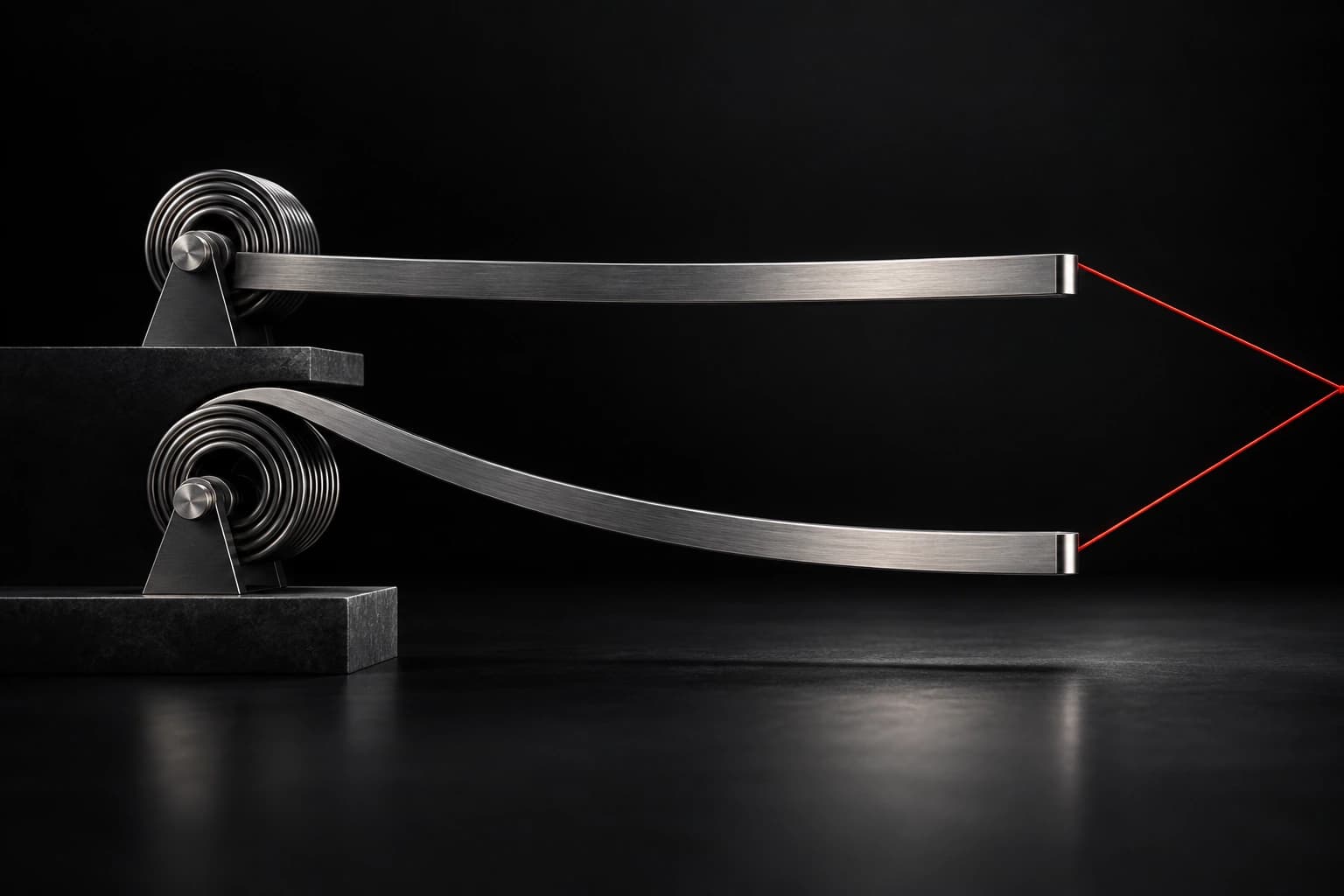
As the sensing material deforms, its electrical resistance changes. A separate, more conductive path carries the signal. That helps distinguish the intended measurement from changes caused by the wiring itself.
From electrical readings to estimated movement
A design tool lets users choose a shape and the directions in which it can move. The sensing system then uses measured signals and data-driven models to estimate motion. The described directions include sideways bending, vertical bending and movement along the structure’s axis.
This is an engineering meaning of self-sensing. It is not evidence that an object has subjective awareness. The observable task is to turn deformation into a usable input.
The HCI Engineering group lists X-Hinges among its accepted UIST 2026 papers, naming Xiang Chang, Haiyang Yan, Stefanie Mueller and Jiaji Li. Its wider work on embedding sensors addresses a practical problem: adding sensors and wires can change how a flexible object behaves.
A lamp can illustrate a method without proving a product
MIT describes demonstrations including a finger-motion glove and a folding lamp whose brightness responds to compression. Such examples show potential interaction designs; they do not establish that the method is ready for every home or factory.
The same-looking print may produce different readings because material and fabrication vary. The researchers use vision-based calibration to adapt the measurements. A printed shape and a finished sensing system are therefore not interchangeable.
For a non-specialist, calibration is the step that connects a reading to what actually happened. Without that reference, two matching objects need not report the same motion.
Where the evidence stops
The paper explicitly says its controlled integrated three-axis evaluation uses one prototype. It does not fully validate that capability across different shapes, stiffnesses and separately printed specimens. The system also needs dedicated electronics and calibration.
Model Current has not fabricated a device or reproduced the measurements. The authors’ tests support a research-prototyping approach, not a universal accuracy or durability claim.
The useful lesson is concrete: printing a sensor into an object can reduce later assembly, but it does not remove the work of measuring, calibrating and checking that object.
Sources
- MIT News: X-Hinges research accountOctober22 institutional account: tool workflow,glove/lamp demonstrations and calibration bottleneck. Figurative self-awareness language is not adopted as evidence of consciousness.
- Chang and colleagues: X-Hinges accepted manuscriptPrimary author manuscript,postedSeptember10 and acceptedUIST2026. Material/readout/motion method and explicit limits: one integrated three-axis prototype,external calibration,broader validation unfinished. No independent replication claimed.
- MIT HCI Engineering: research and accepted papersPrimary lab page confirms author list,UIST2026 listing and broader research on embedding sensing without disrupting object function.